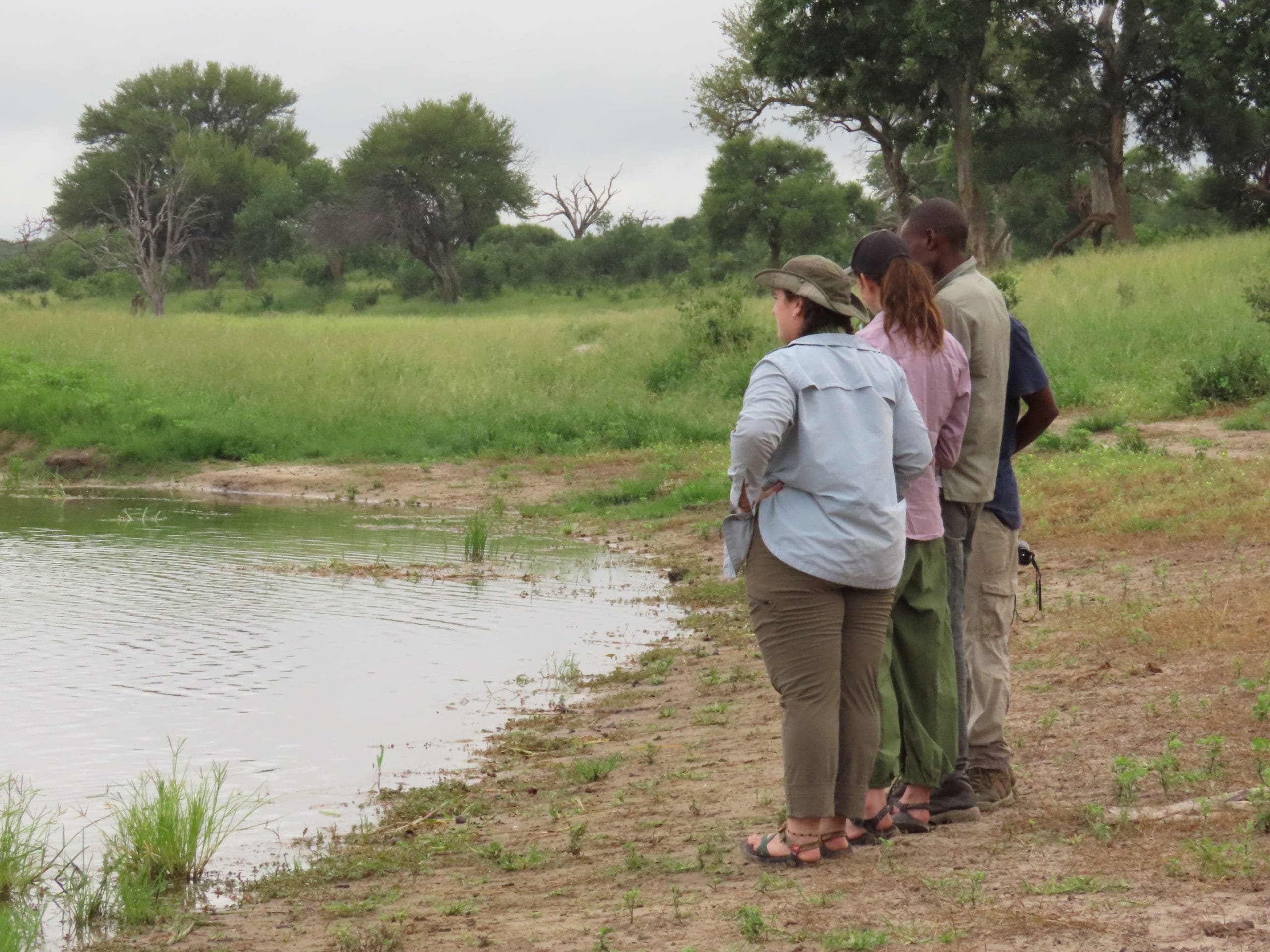
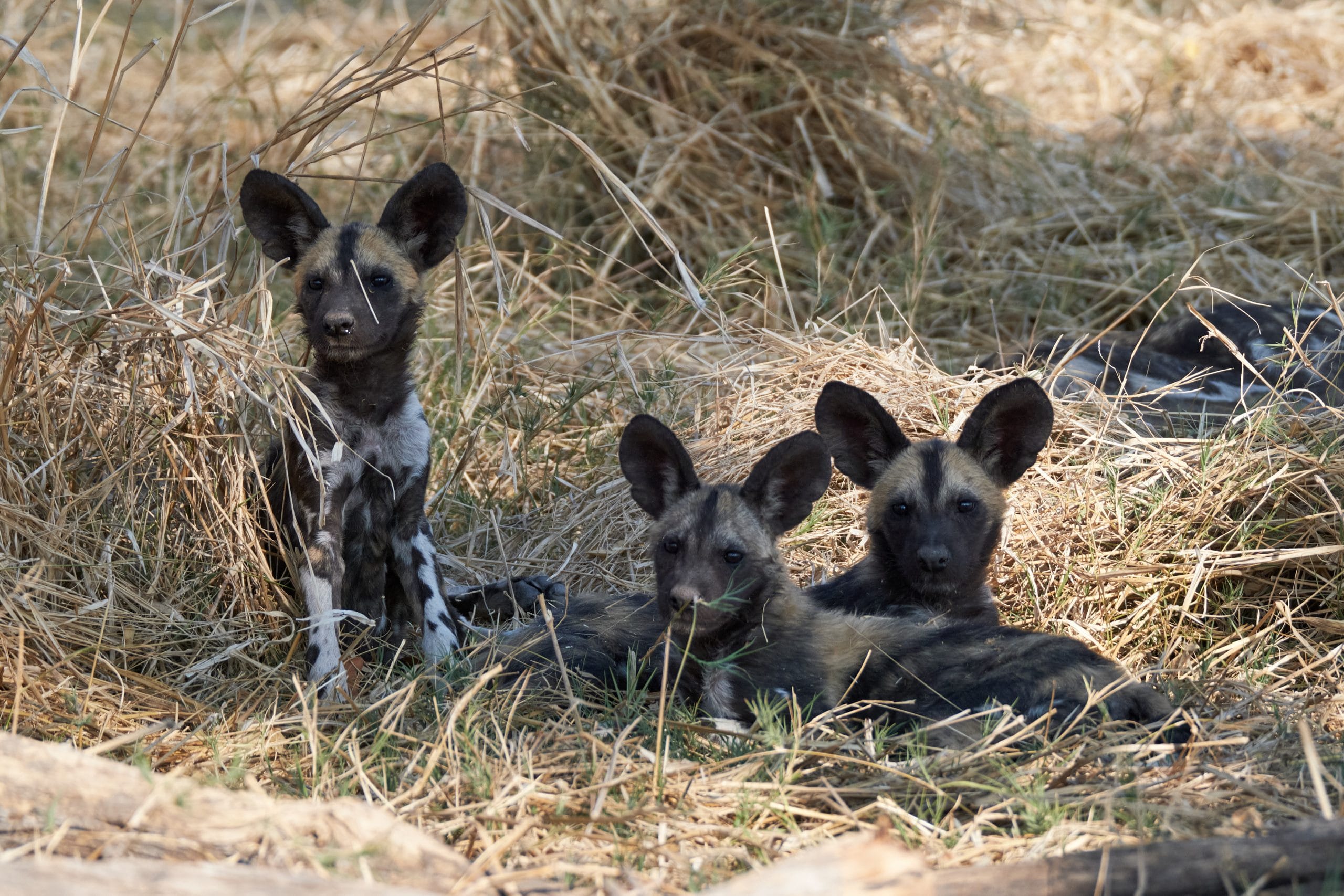
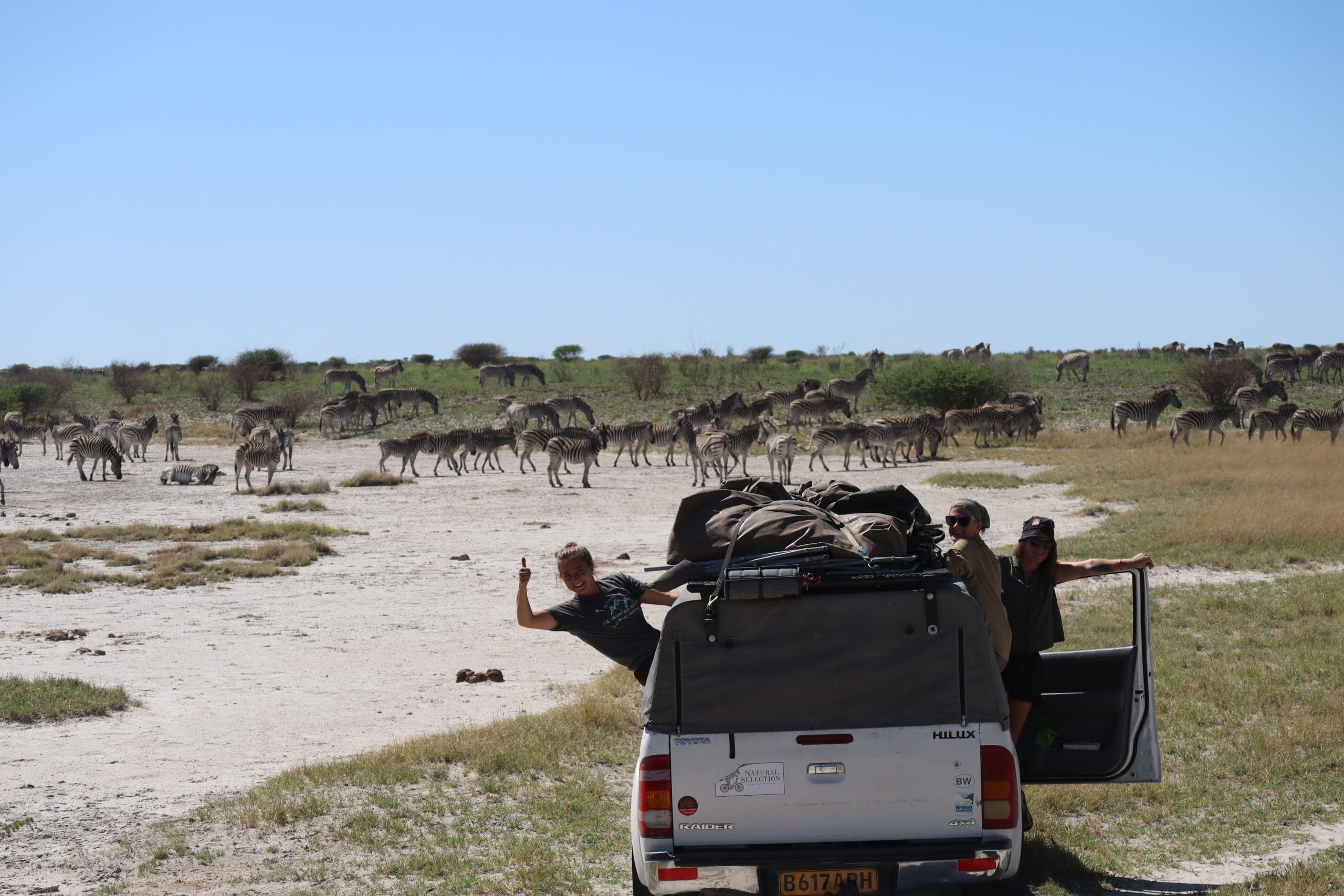
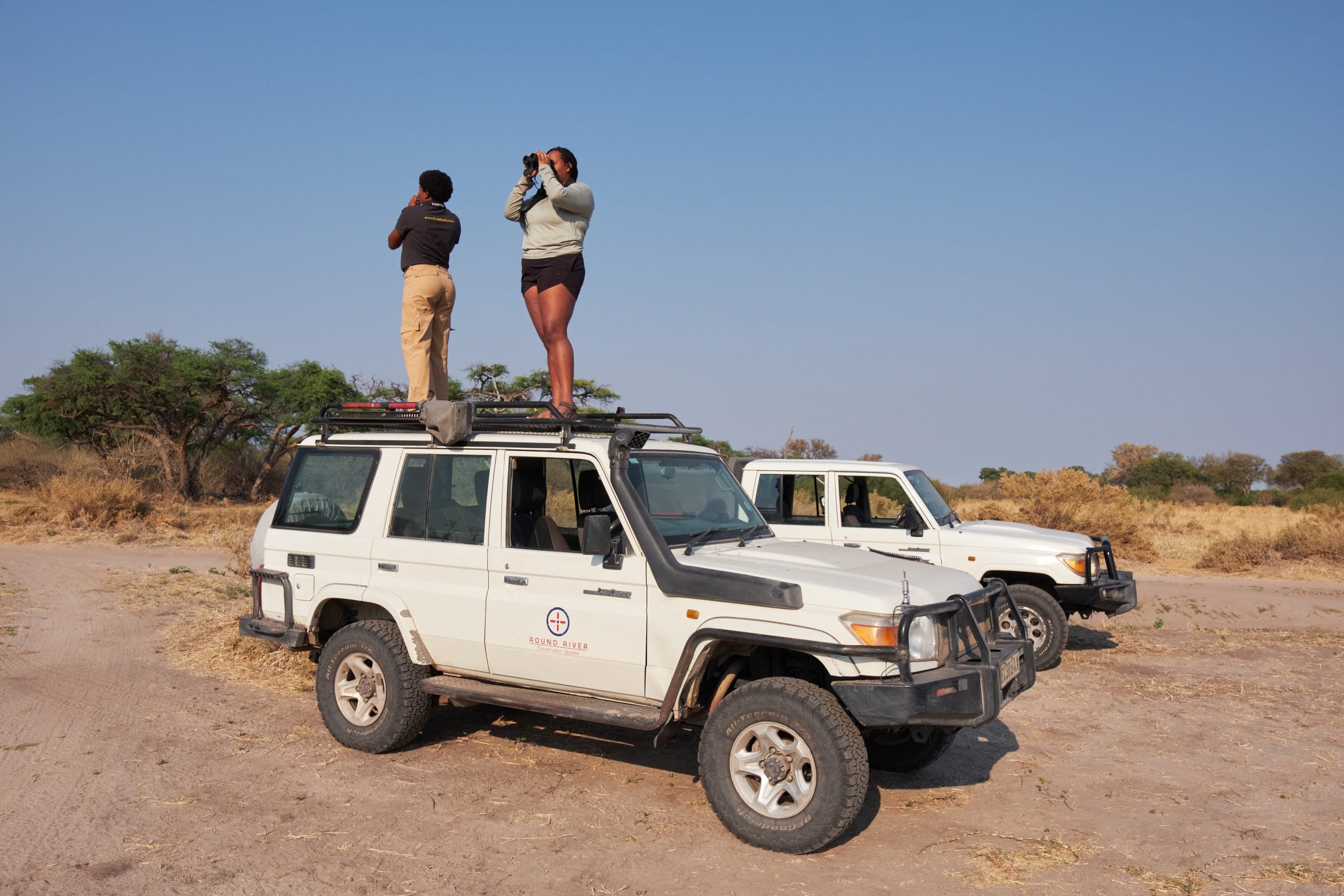
Botswana is home to some of the world’s most abundant and diverse wildlife populations. Two immense wetlands, the Chobe-Linyanti-Zambezi Wetland, and the Okavango Delta, support Africa’s largest concentration of carnivores and are home to over 60% of Africa’s elephants. For yet unknown reasons, many of the wildlife populations of Botswana are in decline. In partnership with the University of Botswana Okavango Research Institute (ORI) and local Community Trusts, Round River students are assisting with wildlife monitoring in selected Wildlife Management Areas in northeastern Botswana. Students can help our partners in understanding this decline and assisting local communities with monitoring these populations.
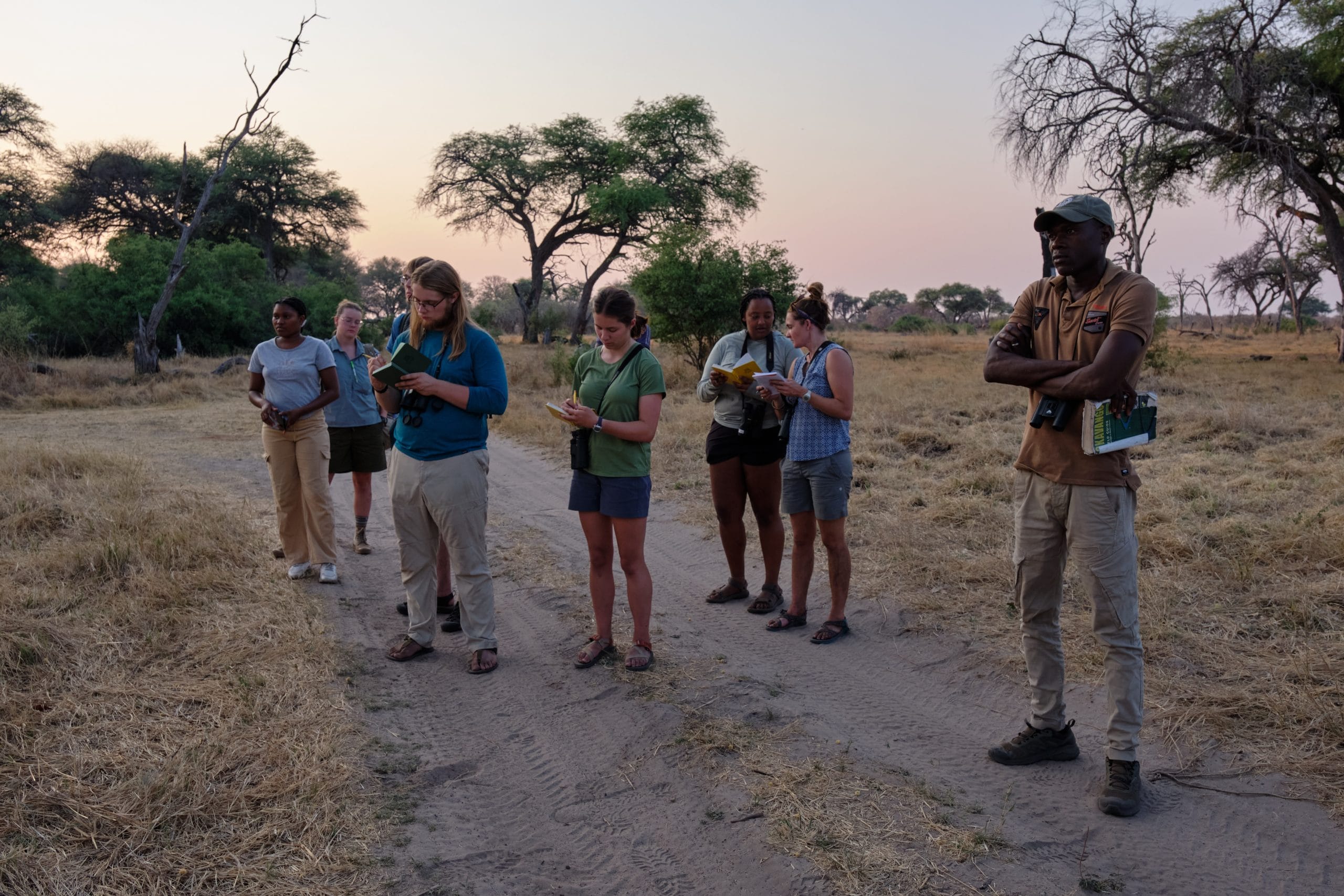
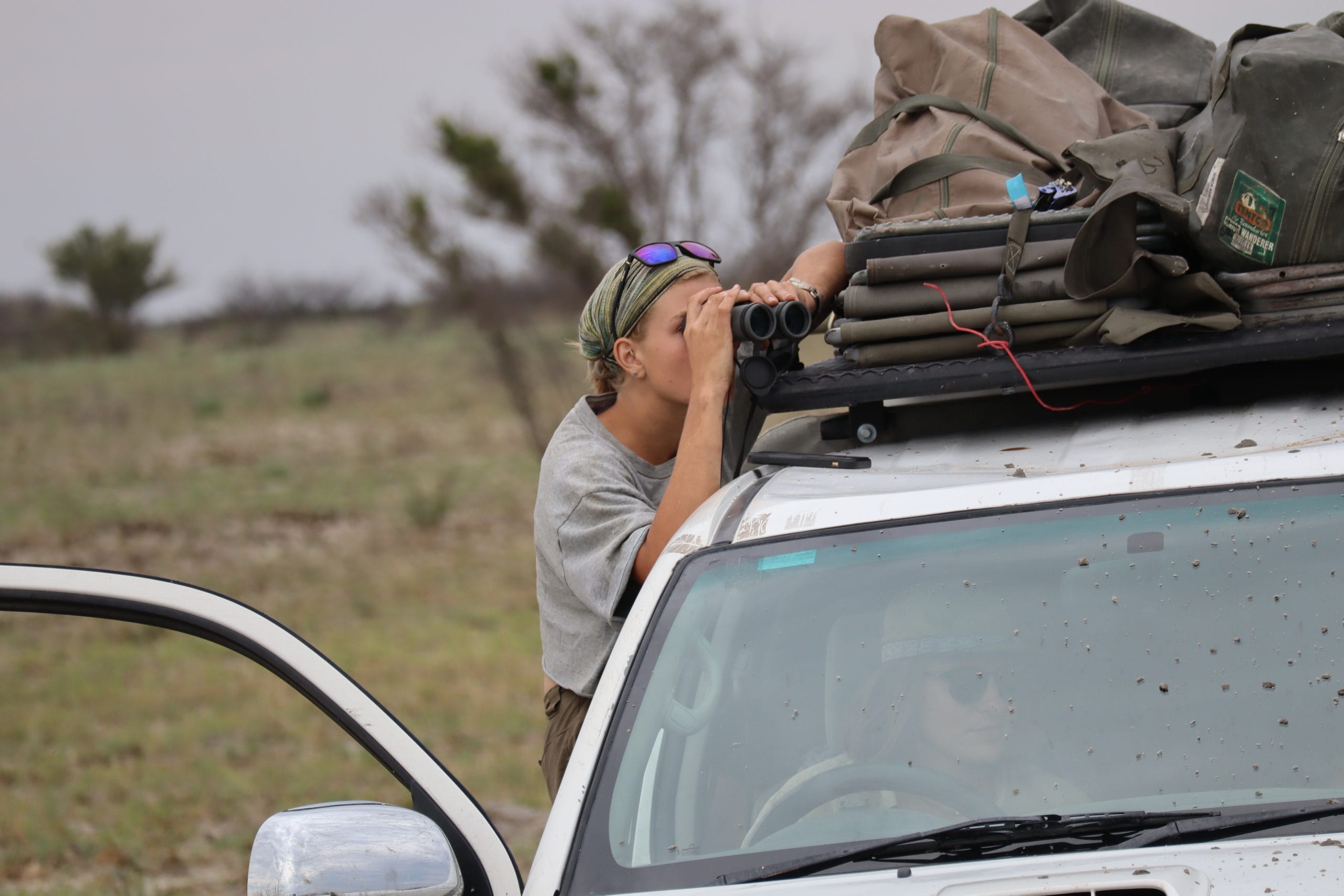
This program involves a variety of field activities that include wildlife monitoring and wildlife demography studies, monitoring rare and threatened bird populations, computer and equipment training with community escort guides, and conducting vegetation surveys.
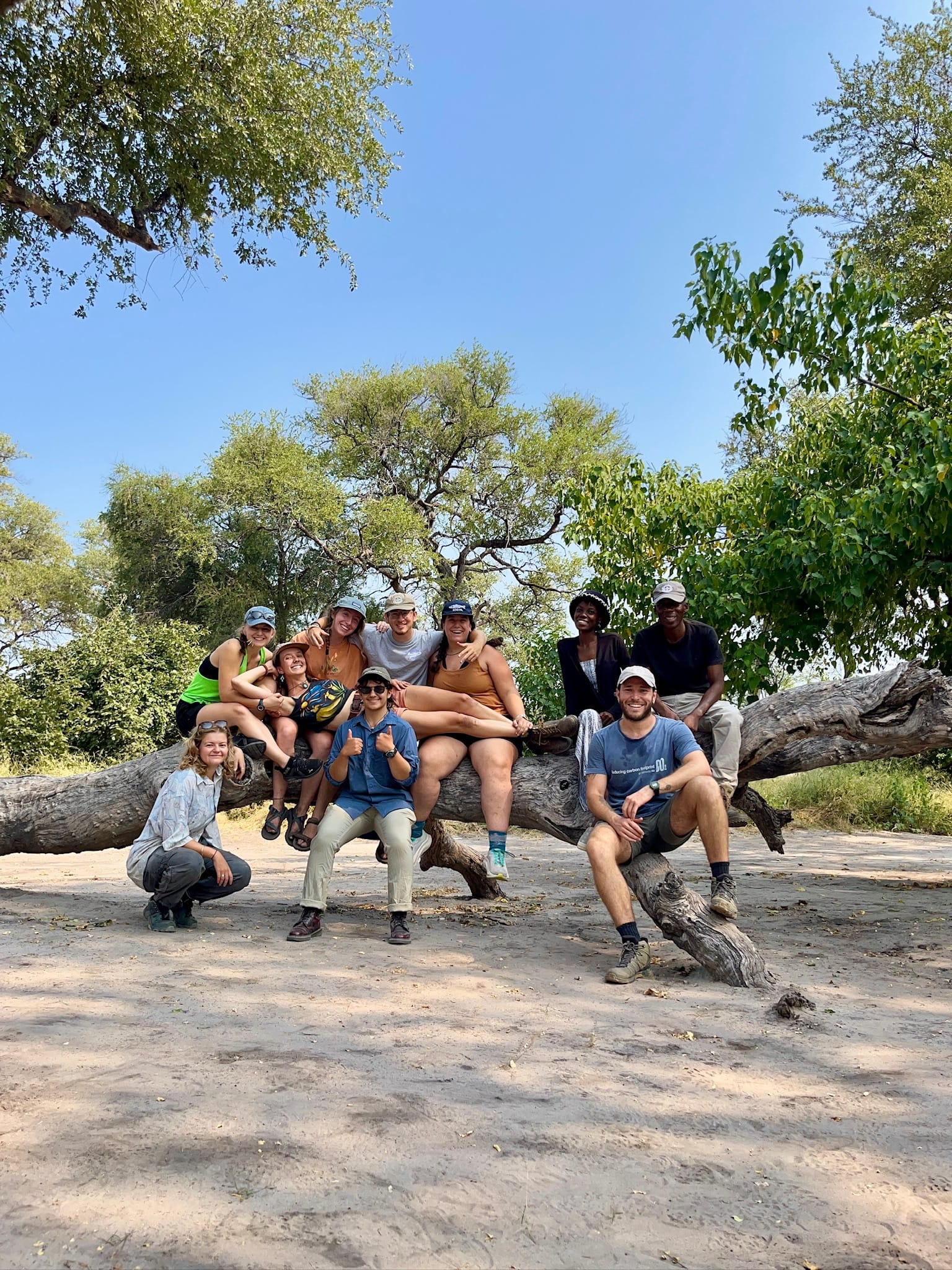
In conjunction with the wildlife monitoring work, you’ll be thrown into Botswana culture. Daily life will be filled with interacting with local instructors and community members around camp, learning traditional recipes and lifestyles, learning Setswana, and challenging pre-existing conservation perspectives.
I do not exaggerate when I say that this program was the best experience I've had in my life. Round River proves that you do not need a traditional school setting to really learn about the world around you. I have never learned so much content in only three months…This is because you are applying your knowledge daily when conducting research out in the bush. Most days you are engaging with locals who are super supportive and patient…I cannot stress enough that you are learning by just living there and embracing your curiosity!
– Leah Israel, University of Vermont, Botswana ‘22
Fall Semester
12 Weeks – mid September to mid December
Fall 2026: September 10 – December 3
Spring Semester
12 Weeks – early February to early May
Financial Support
Operating out of 4WD vehicles, the student crews live in the bush and visit a variety of different field sites and communities. Including but not limited to concessions NG34, NG41, NG19 and NG18 (see map for locations). For much of the time, community guides camp with us, giving daily opportunities for cross-cultural exchanges.
Our academics complement the field research and are designed to be interactive and hands-on. You can expect to dedicate a few hours each day to working on your field journals, engaging in group discussions on relevant articles, participating in lectures and class activities, and deepening your understanding of natural history. Guest lectures, when possible, will further enrich your knowledge of conservation and land-use planning in the area. Each program culminates with the completion of a final written research paper, focusing on one aspect of the project, accompanied by a presentation.
Unlike a traditional college setting where lab work typically supplements classroom lectures, our students learn primarily in the field with supporting academics designed to enrich the hands-on experience. This type of applied learning is both challenging and rewarding, as you are pushed to learn in ways that differ significantly from a standard classroom environment.

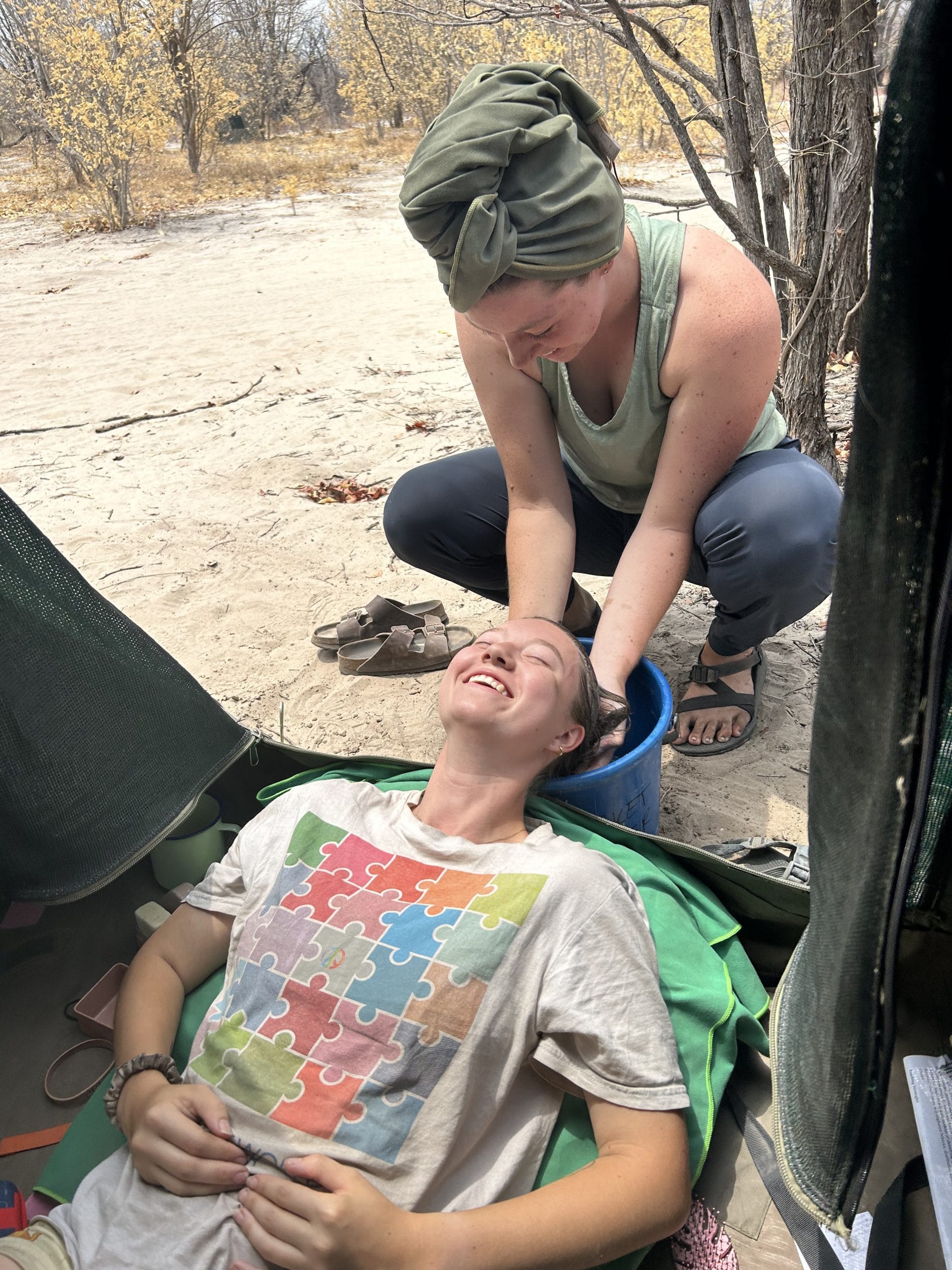
You are expected to partake in camp chores and projects, gaining experience in communal living and project management. The group will help with tasks such as cooking, maintaining clean and organized communal spaces, logistic planning, risk assessment for projects, and data entry.
Before the program, you will need to complete several paperwork packets and attend orientation sessions. For detailed information on these requirements, as well as important details such as vaccine recommendations, please refer to our pre-departure page.
You are responsible for your personal gear while on the program. Here is a short list of necessary, big-ticket items required for a semester in Botswana. A comprehensive packing list tailored to your specific program will be provided post-enrollment. Tents, group gear and field equipment is provided on the program.
Details about travel and visas will be included in the information packet you’ll receive upon acceptance into the program.
We use cookies to improve your experience on our site. By using our site, you consent to cookies.
Websites store cookies to enhance functionality and personalise your experience. You can manage your preferences, but blocking some cookies may impact site performance and services.
Essential cookies enable basic functions and are necessary for the proper function of the website.
These cookies are needed for adding comments on this website.
Google reCAPTCHA helps protect websites from spam and abuse by verifying user interactions through challenges.
Statistics cookies collect information anonymously. This information helps us understand how visitors use our website.
Google Analytics is a powerful tool that tracks and analyzes website traffic for informed marketing decisions.
Service URL: policies.google.com (opens in a new window)